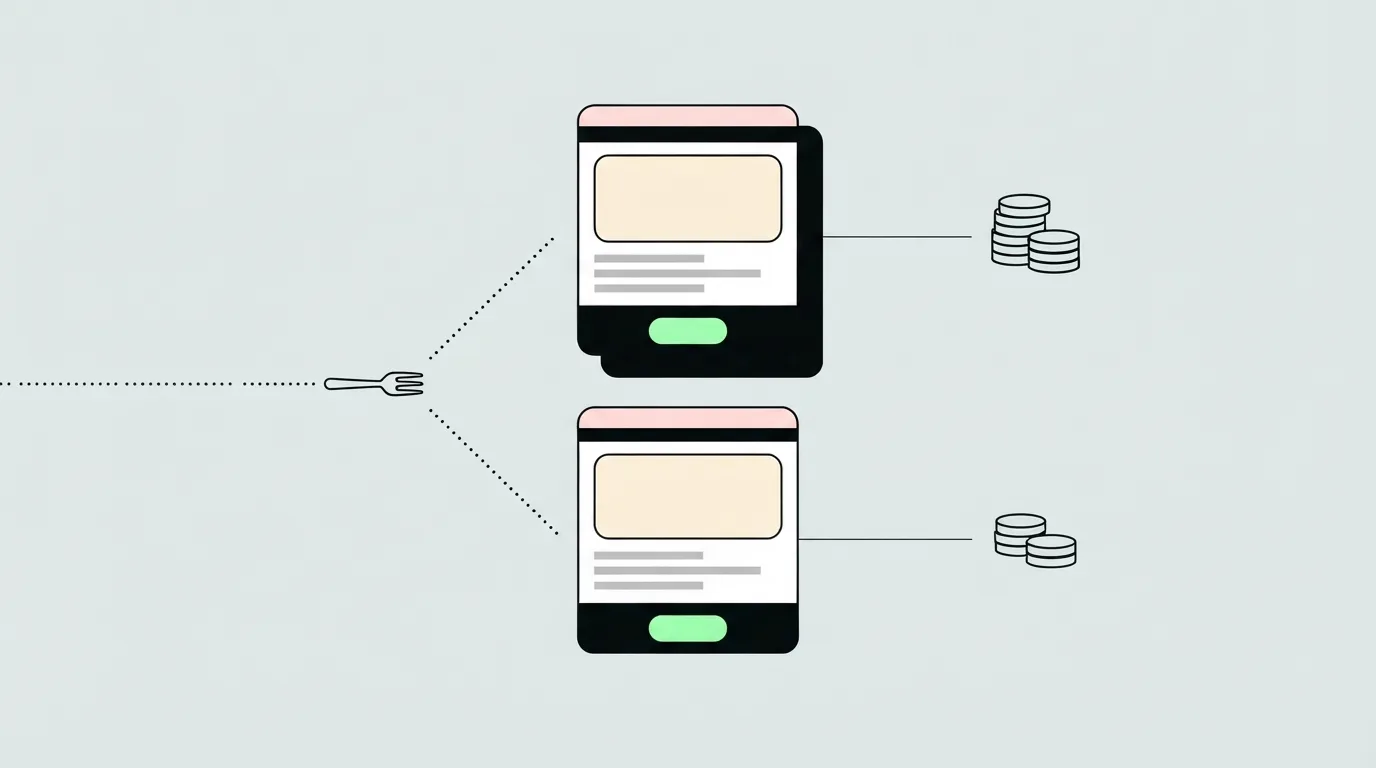
Label it as an ad
In the US, the FTC's 2015 Enforcement Policy Statement on Deceptively Formatted Advertisements and its companion guide for businesses on native advertising say that an ad which looks like independent editorial content must be clearly identifiable as advertising. In practice that means a plain label such as "Advertisement" or "Paid advertisement", placed where the reader sees it before they read the content, in a size and contrast they can read. Repeating it near the offer helps readers who land mid-page.
Do not impersonate a publisher
A made-up newspaper name, fake press logos or a design copied from a real news site tells the reader the page is something it is not. Regulators describe exactly this as deceptive formatting, and ad networks reject it on review.
Claims and endorsements
Every factual claim needs support you could show a reviewer. The FTC's Endorsement Guides, revised in 2023, cover testimonials and reviews: they must reflect real customers' honest experiences, and results presented as typical must be typical. Health claims (cures, treats, prevents) and income claims (earn a figure) are the two categories ad networks police hardest.
What ad networks check on the landing page
Google Ads' destination requirements and misrepresentation policy, Meta's advertising standards and the native networks' own landing-page rules differ in detail but look for the same things: who the advertiser is, whether the page matches the ad, whether claims are supportable, and working privacy and contact links. The example pages on this site are built to pass that first look. They are a starting point, not legal advice.